Bread dough is the beating heart of every fresh loaf. From Barbari bread and Iranian Sangak to French baguettes and croissants, they all start from the same place: dough. Choosing quality ingredients, observing proportions, and understanding the principles of kneading and resting dough can make the difference between an average loaf and a masterpiece.
Ingredients for making homemade bread dough
- Quality wheat flour (preferably bread flour or wholemeal flour)
- Yeast (instant dry or fresh)
- Lukewarm water
- Salt
- Sugar or honey (to activate the yeast)
- Olive oil or butter (optional for extra smoothness)
How to make bread dough step by step
1. Activating the yeast
Mix the dry yeast with a little lukewarm water and sugar and let it foam for 5 to 10 minutes. If it doesn't foam, the yeast is not fresh.
2. Mixing dry ingredients
Mix the flour and salt in a large bowl.
3. Adding activated yeast
Gradually add the yeast and lukewarm water and mix with a wooden spoon or your hands until a smooth dough forms.
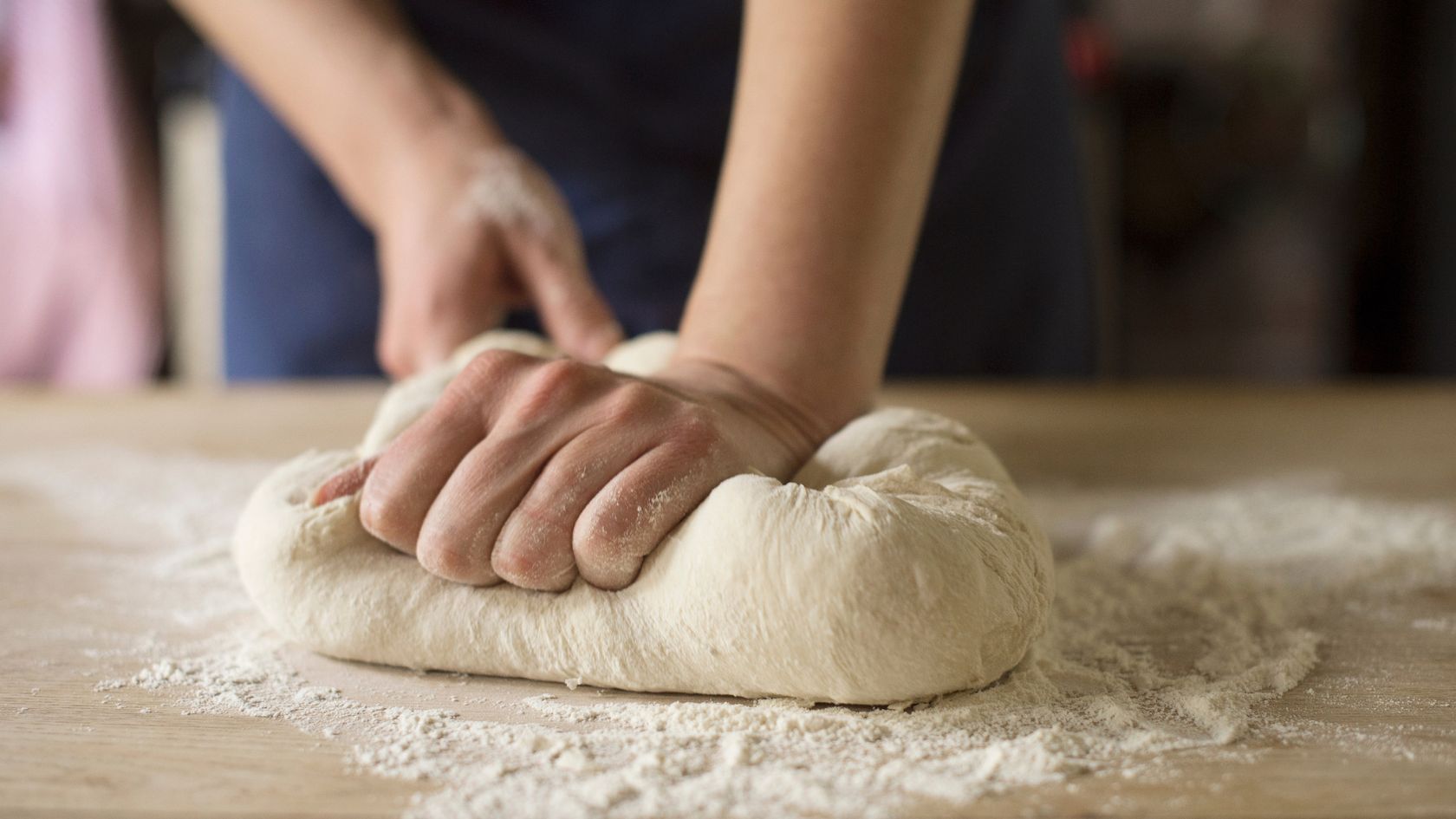
4. Kneading the dough
On a floured surface, knead the dough for 10 to 15 minutes until it becomes elastic and soft.
Tip: If the dough is too sticky, add a little flour, but don't overdo it.
5. First break
Place the dough in a greased bowl, cover with a damp towel or plastic wrap, and let rest in a warm place for 1 to 2 hours until doubled in size.
6. Shaping and second rest
Shape the dough into the desired shape, then let it rest again for 30 to 45 minutes.
7. Baking
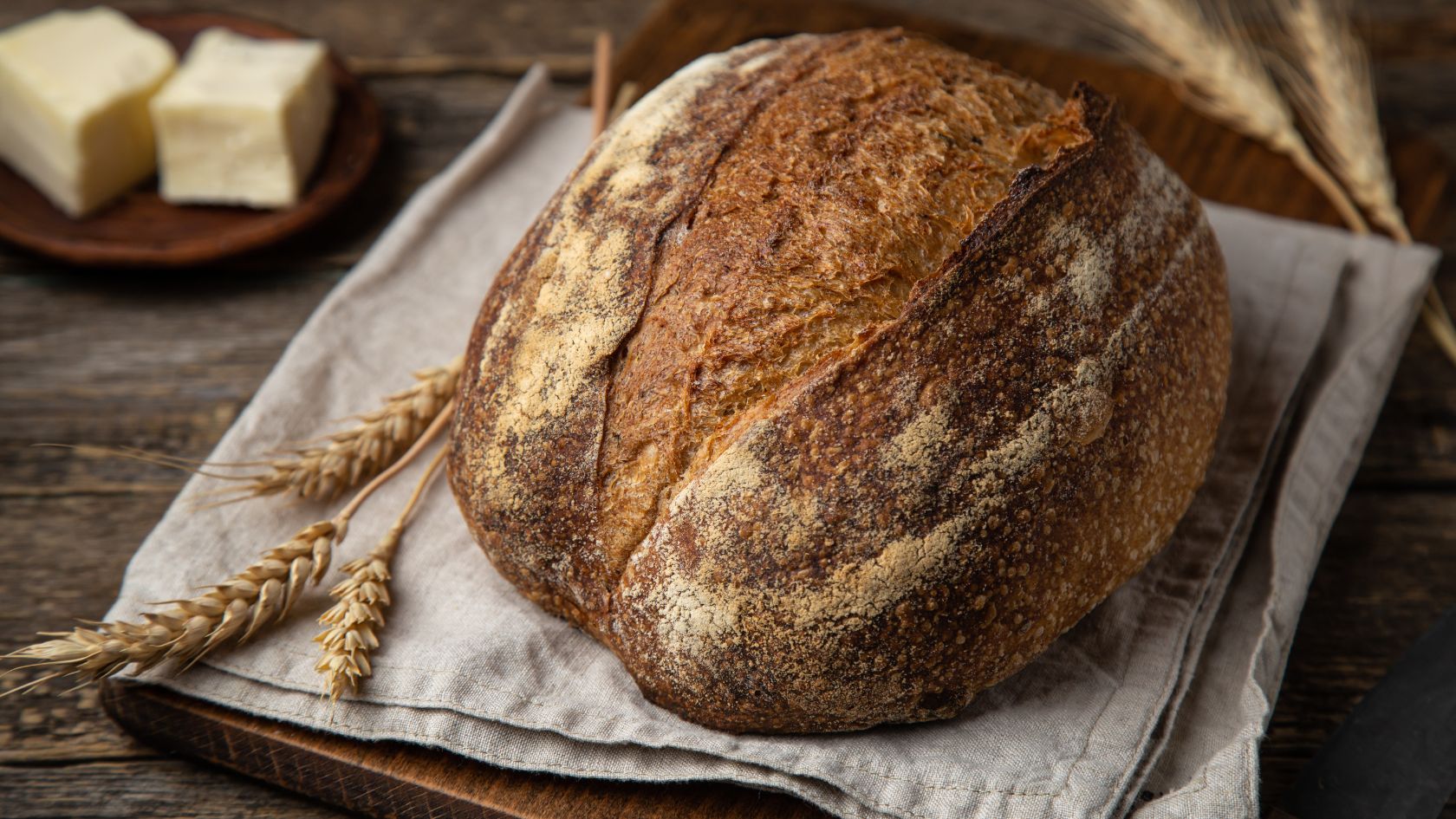
Preheat the oven (180-220°C depending on the type of bread). Bake the bread until golden brown.
Key tips for perfect dough
- The ambient climate is important.: In dry weather, add more water.
- Accurate measurement: Using a scale instead of a measuring cup will give better results.
- Playing with flavorsAdding dried vegetables, cheese, or grains to the dough makes the bread special.
- Use of Olive oil And a little Milk It creates better tenderness and flavor.
Frequently Asked Questions
1. Why isn't my dough rising?
The yeast may be of poor quality or out of date, or the ambient temperature may be low.
2. Can the dough be prepared the night before?
Yes, by putting it in the refrigerator, it will ferment more slowly and the bread will taste better.
3. Can I use gluten-free flour?
Yes, but it requires a special recipe to replace gluten.